What is Stress?
“If you don’t make time for your wellness, you will be forced to make time for your illness.” – unknown
What is Stress and How Can it Effect our Bodies?
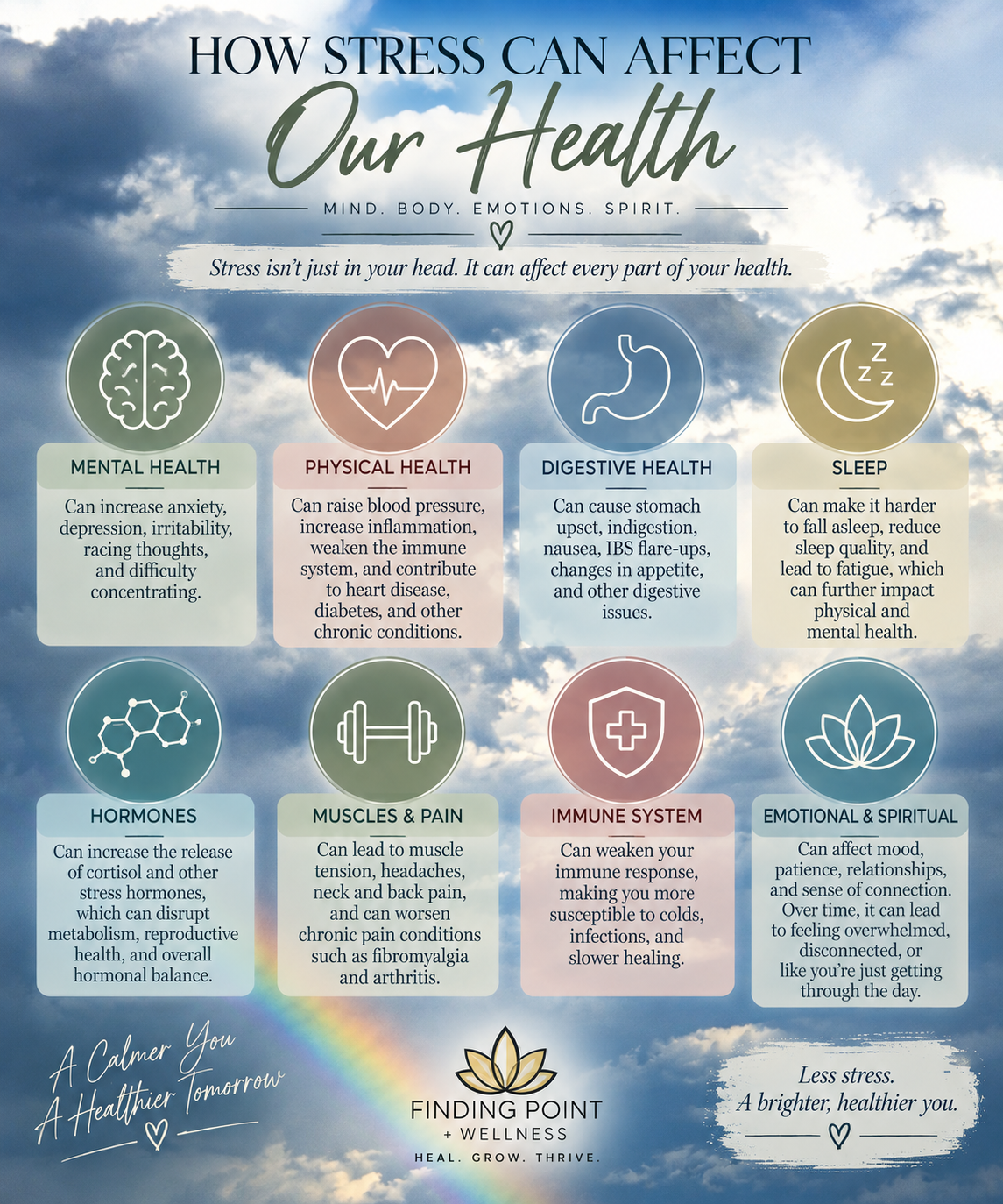
According to the Mental Health Foundation (*1), stress is the feeling of being overwhelmed or unable to cope with mental or emotional pressure. Emotional and mental stressors are a major factor in the declining health of individuals and our society as a whole; unfortunately, this trend only seems to be worsening in our current era leading to increased mental anguish and disease for a large part of the population. In addition to feelings of overwhelm and anxiety, the release of chemicals such as cortisol as a response to our stress-filled lifestyle leads to a number of physical diseases as well. Stress also weakens the immune system, allowing our bodies to be less able to protect us from environmental hazards.
Where previous death rates were primarily due to infectious diseases, new “lifestyle” diseases are plaguing us in such ways that the flux of auto-immune issues, heart disease, cancer, and more are becoming a norm. What seems especially concerning is that these new diseases are completely preventable if our lifestyles were adjusted to better fit our personal physical/mental boundaries. As example, you can push through working a job you hate, but you may not be able to push through the depression and cancer that may come about as a result.
The Cycle of Stress in Current Society
Unless purposeful, there seems to be little time to break from our minds in the modern world. So often we wake up, near immediately choose to be bombarded by external negative stimulations (such as media), rush to a job where we are pulled in a million directions, constantly transitioning between computer, phone, etc in an effort to keep up. We leave a job we more than likely find stressful in itself, only to sit in the awareness that we don’t have time to do all we still need to do because we already feel overwhelmed. This in itself leads to even more stress, perpetuating an extremely unhealthy cycle.
Through modern demands, self-care is often non-existent. Our habits and behaviors do not have us making choices based from what we may want or need, but from what we feel we need to do in order to be accepted and live comfortably in the now. But again…what will the result of your current lifestyle create in your later years? And do we really NEED to do things that will likely create illness, or are we making current decisions because we are fearful that we cannot do things in a more human-centered manner now? Will you be well enough to enjoy your later years, or will you have spent the last 4o years preparing yourself for an early grave? The fact that our lifespans are continuing to decrease while our medicine and technology increase is startling and something that will become a hotter topic of discussion in upcoming years.
How Your History Plays a Role
If you are a person who grew up in an unhealthy home or without stability, you were unfortunately more likely to have been set-up to have an even more intense stress response than those who had a loving and secure environment. Referring to the physiological response itself, those with a history of trauma are more geared to perceive and integrate stress in a more damaging manner, as well as more readily produce fear chemicals which can hurt the body. Compared to those with low Adverse Childhood Events (ACE’s), the perception of stressors is also worth noting as important.
How Stress Effects Our Daily Lives
Stress effects all parts of our lives…our physical bodies and our minds… I would also say the demeanor of our spirits. It affects how we perceive the world and how we choose to interact in it. It propels us this way or that when we unconsciously try to evade stress to feel more at peace inside.
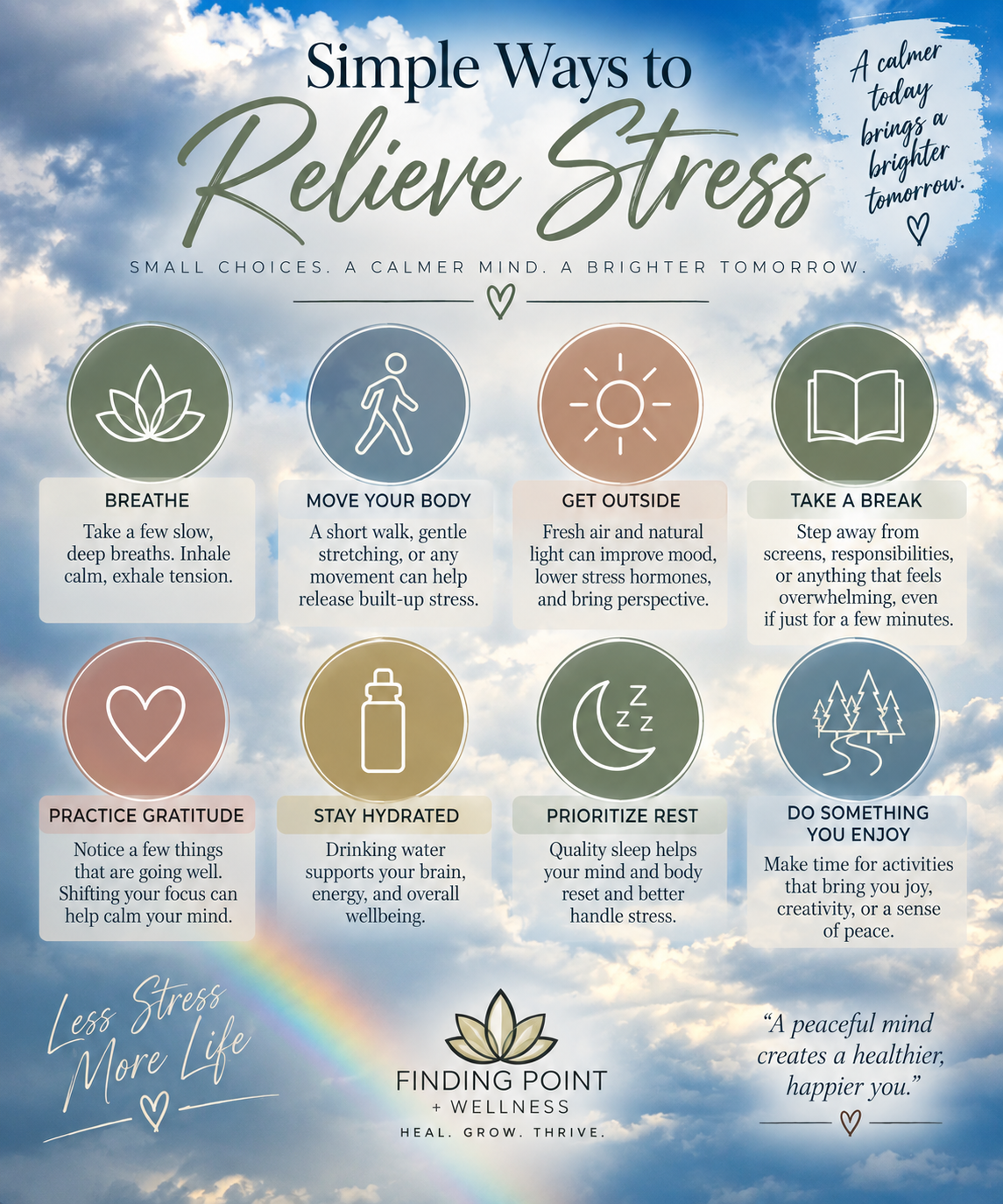
Although there is much research on how the body physically responds to stress, the mental/emotional response that drives our every day lives is much more covert. It is a personal breakdown of our own needs balanced with demands of current expectation. Self-care though choice is a determinant in how stress will likely affect your life. This could be anything from hiring a life coach to help you find a career better fitted to your personal needs, to moving to an area where the value system more reflects your own, to partaking in a local community class where you can enjoy and release while making new friends.
A Personal Stake in Your Own Future
Stress is undoubtedly a killer, but it is really silent with all of the knowledge that we currently have on the topic? Or are we making a choice to hurt ourselves by blindly partaking in a life that we think we are supposed to live but does not reflect out innate needs. It is only at an individual level that we can make the decisions that will shape our future health.
Sending love and healing,
Stephanie @ Finding Point
References:
1. Stress. Mental Health Foundation. (2021, November 11). Retrieved November 30, 2021, from https://www.mentalhealth.org.uk/a-to-z/s/stress.
