What are Adverse Childhood Experiences and Resiliency Factors?
What are adverse childhood experiences, also known as ACE’s?
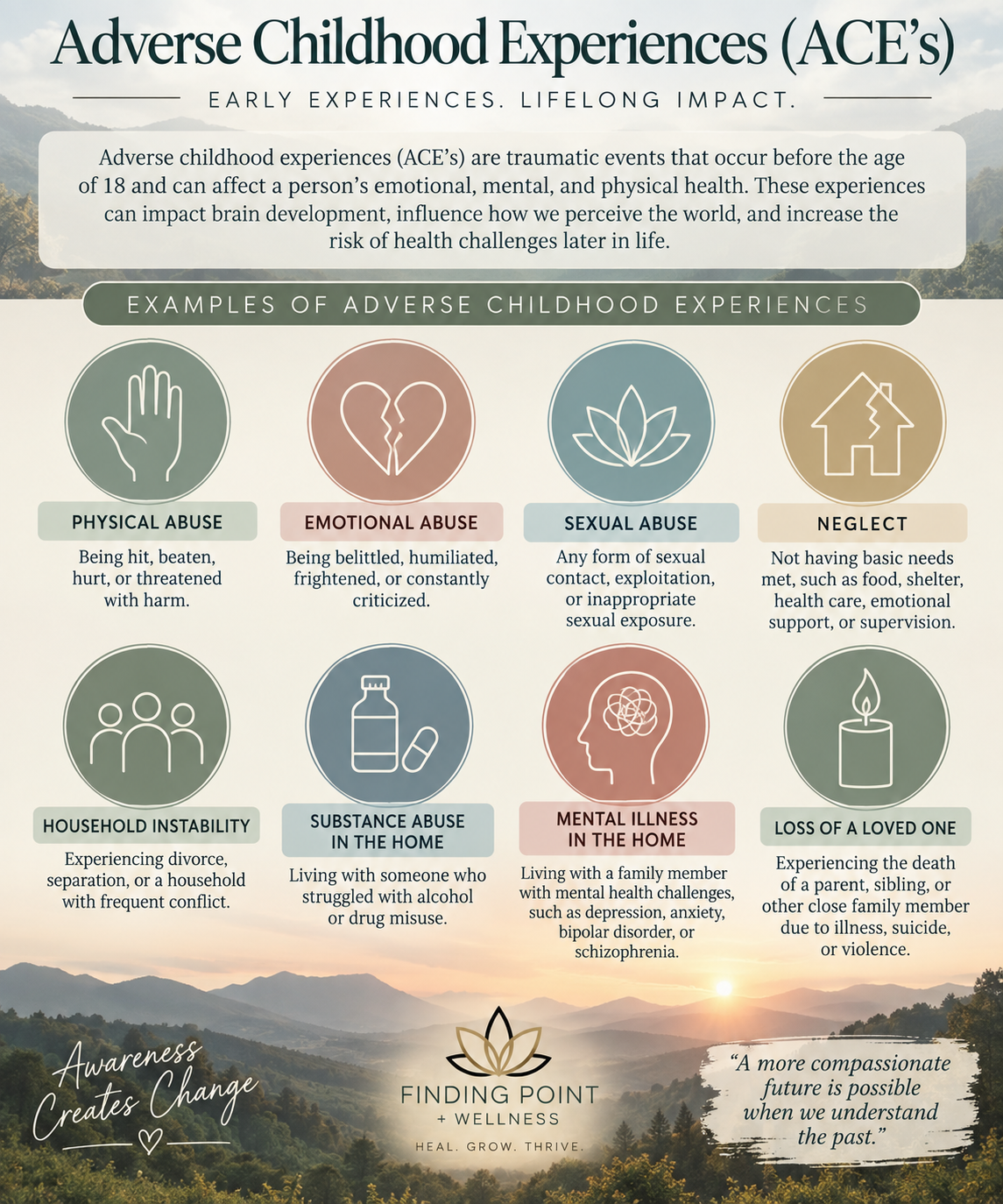
Stated simply, they are traumatic events that change how a person experiences and perceives life. The more ACE’s experienced as a child, the more likely the child will grow into an adult with mental and emotional health struggles. This is due from both the physiological changes that come about due to trauma, but also through the learned responses and unhealthy patterns that those who grow up in these environments often endure as adults. Another aspect of ACE’s are resiliency factors, which help a person to rebound from traumatic events.
Adverse childhood experiences can include abuse, neglect, and intensely negative encounters to a person before they turned 18 years of age. The events create distress and can instill instability in the growing brain. As provided by The Centers for Disease Control (1), examples of ACE’s are as follows:
Experiences of violence, abuse, or neglect.
Witnessing violence at home of within the community.
Losing a family member to murder or suicide.
A loved one struggling with addiction or mental health problems.
What I have found in my personal experiences and better understood after training in the topic is that these experiences basically give a poor set-up to life. Many people are likely to experience one or two particularly negative or traumatic events in their youth, but some experience several incidents, often repeated over time, leading them to not know what is normal and healthy.
The people who endured greater challenges often grow up to repeat the trauma due to their choices and continuing patterns of what they have always known as normal. For some who suffered a high number of ACE’s, addiction and abuse, either as the giver or receiver of, can seem normal. However, they are not. Learning healthier behavior patterns and ways of thinking are vital to overcoming trauma patterning and living life though a healthier mindset.
Resiliency Factors
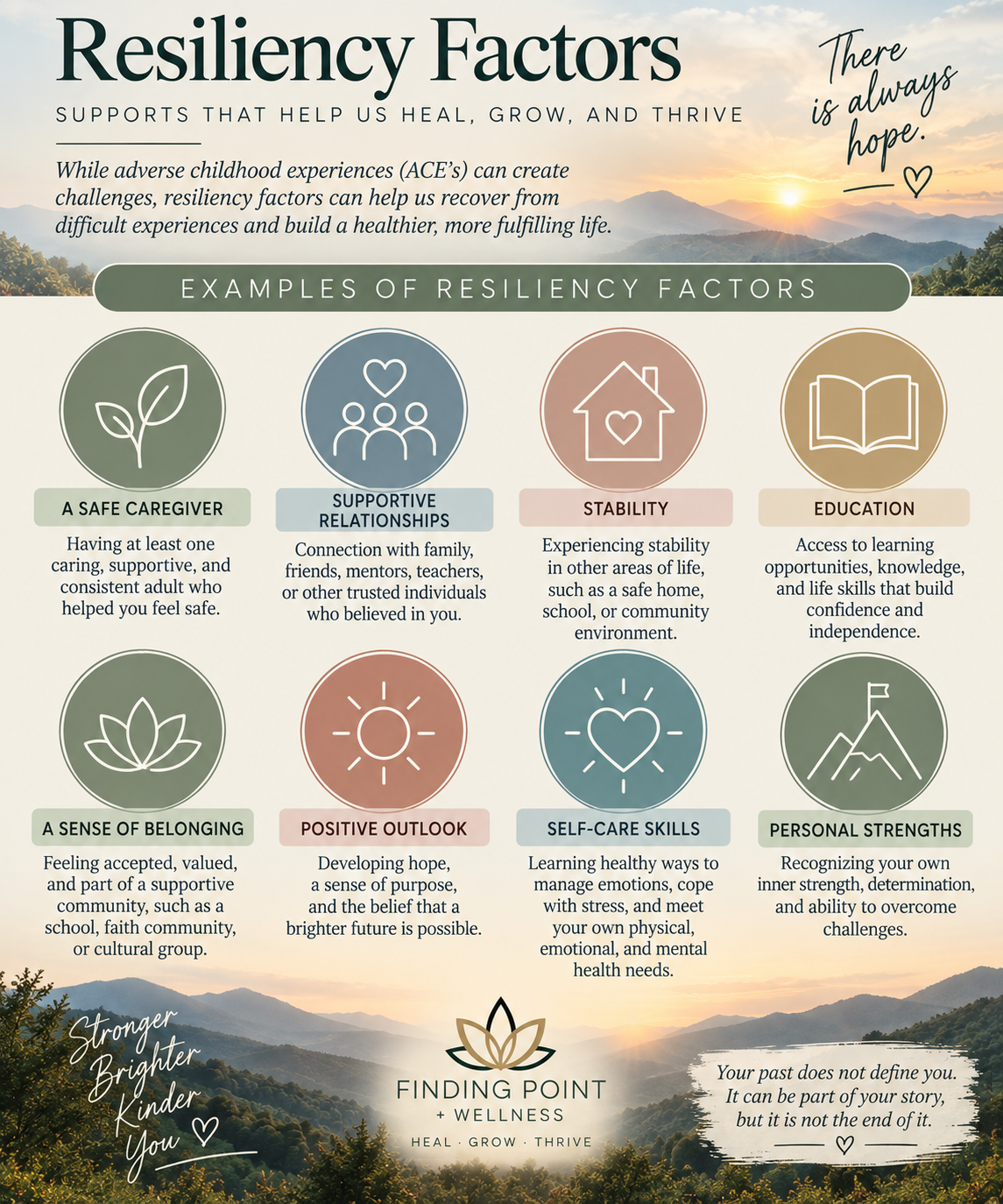
A term often heard alongside “Adverse Childhood Events” is “Resiliency Factors”. Resiliency factors are the supports that helped a person to survive, and sometimes thrive, despite damaging life experiences. These may include:
A caregiver who paid special mind to keep you safe or created a safe figure in your childhood.
Stability in other areas of your life while the ACE’s were occurring.
The support of family and friends, or a community network such as church.
Outlook for Those with Adverse Childhood Experiences
With time and commitment, those adults still holding adverse patterning from childhood can learn healthier ways of viewing life through education, self-care, and a solid support network.
Changing your life from the inside out is not easy, but it is worth it. The American Psychological Association, and The CDC’s Violence Prevention Resource Page both offer many great resources for health and healing.
A Silver Lining
There is good that comes from bad. Although having learned adverse ways of thinking set many up for a more difficult life, it also opens up pathways of personal prosperity and inner wisdom that only those who have had to do “the extra work” are likely to understand. It is a choice each of us make, to allow what has not been to our benefit to continue, or to find the strength within to create determined change. No matter your choices, I hope you know that someone out there cares for you and wishes you the very best.
With love,
Stephanie @ Finding Point
References:
1. Preventing adverse childhood experiences |violence prevention|injury Center|CDC. Centers for Disease Control and Prevention. https://www.cdc.gov/violenceprevention/aces/fastfact.html?CDC_AA_refVal=https%3A%2F%2Fwww.cdc.gov%2Fviolenceprevention%2Facestudy%2Ffastfact.html. Published April 6, 2021. Accessed December 21, 2021.
https://www.cdc.gov/violenceprevention/aces/fastfact.html?CDC_AA_refVal=https%3A%2F%2Fwww.cdc.gov%2Fviolenceprevention%2Facestudy%2Ffastfact.html ) (1)
The American Psychological Association ( https://www.apa.org/topics/resilience)
The CDC’s Violence Prevention Resource Page https://www.cdc.gov/violence-prevention/index.html
